Paris isn’t just about the Eiffel Tower, croissants, and museum queues. Beneath its polished surface lies a quieter, less talked-about layer of life - one that includes people offering companionship for hire. The term "France escort girls" often brings up images from movies or sensational headlines, but the reality is far more complex. Many of these individuals are not what you expect. Some are students, artists, or expats navigating life in a city with a high cost of living. Others are professionals who see companionship as a flexible way to earn income without the constraints of traditional jobs. It’s not glamorous. It’s not illegal - as long as it stays within France’s strict legal boundaries. But it’s rarely discussed openly.
If you’re curious about how this side of Paris operates, you might come across terms like esgort. These words are often used in online forums or local listings, sometimes as misspellings or slang. They’re not official terms, but they’re out there. And they point to something real: a network of people connecting for companionship, whether it’s for dinner, a walk along the Seine, or just someone to talk to after a long day. The language around it is messy, but the human need behind it isn’t.
Why Paris? History, Culture, and the Search for Connection
Paris has always drawn people looking for something more - freedom, art, love, escape. That’s why it’s also a magnet for those seeking discreet relationships. The city’s long tradition of intellectual salons, bohemian lifestyles, and romantic ideals created space for non-traditional connections. Even today, the French value privacy and personal choice. There’s no shame in paying for company if it’s done honestly. Unlike in some countries, France doesn’t criminalize selling companionship - only organized prostitution, pimping, or public solicitation. That distinction matters.
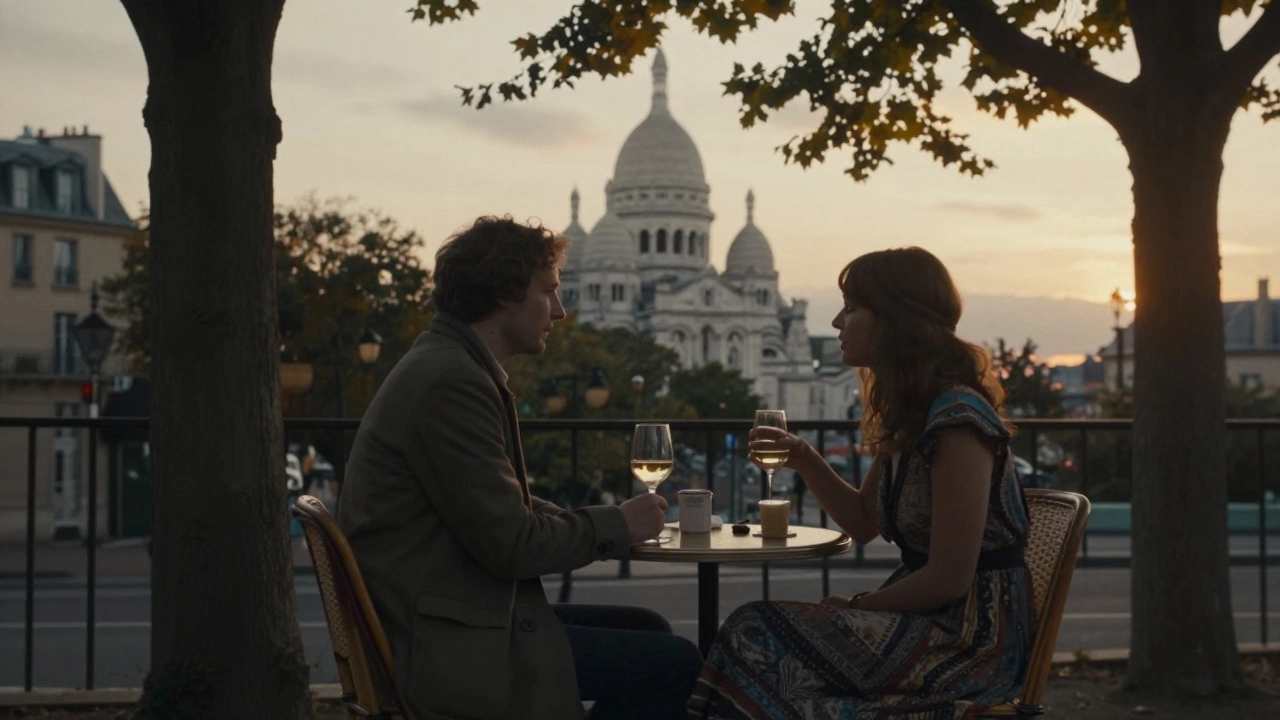
Walk through Montmartre at sunset, and you’ll see couples chatting over wine. Some are tourists. Some are locals. Some are paid companions. You won’t know the difference unless someone tells you. And that’s the point. The lines between friendship, romance, and transaction are blurred on purpose. It’s not about secrecy - it’s about respect.
The Reality Behind the Labels
When people search for "France escort girls," they’re often looking for something specific: a certain look, a language skill, a personality type. That’s where terms like "escorte noire paris" come in. These aren’t just descriptors - they reflect real demand. Black women in Paris, like women of all backgrounds, offer companionship services. They’re often highly educated, fluent in multiple languages, and well-connected. Their profiles might mention art galleries, jazz clubs, or cooking classes as part of their offerings. This isn’t about stereotypes. It’s about matching needs.
Some clients want someone who can speak fluent English and explain the Louvre without sounding like a tour guide. Others want someone who knows the quietest bars in Le Marais. A few want someone who can just sit with them, listen, and not judge. The service isn’t sexual by default. In fact, many clients specifically request non-sexual companionship. The industry has evolved beyond outdated clichés.
How It Actually Works
Most arrangements happen online - through private websites, encrypted messaging apps, or word-of-mouth referrals. There are no street corners or neon signs. You won’t find "escorte annince" advertised on billboards. The term itself is likely a misspelling or variation of "annonce," which means "advertisement" in French. That’s telling. It shows how the industry operates: through subtle, coded language.
Profiles often include details like: "Fluent in French and Spanish, love classical music, available for dinners and museum visits." No photos of bare skin. No explicit promises. Just interests, availability, and boundaries. Payment is usually handled through bank transfer or cryptocurrency. No cash on the street. No third-party agencies. It’s peer-to-peer, low-key, and intentional.

Who Are These Women?
They’re not victims. They’re not criminals. They’re individuals with degrees, portfolios, and personal goals. One woman I spoke with (anonymously) is a former theater student from Senegal who moved to Paris for school. She now works part-time as a companion while finishing her master’s in cultural studies. She says her clients include retired professors, single fathers, and even a few diplomats. "They don’t want sex," she told me. "They want someone who remembers their favorite book, asks about their day, and doesn’t pretend to be someone they’re not."
Another is a French-Moroccan artist who uses her earnings to fund her photography exhibitions. She doesn’t advertise. She gets referrals from past clients. Her rule: no alcohol, no nudity, no pressure. She charges €150 an hour - same as a private art tutor in the same neighborhood.
The Risks and the Rules
There are risks. Scammers exist. So do predators. That’s why most women in this space vet clients carefully. They use pseudonyms. They meet in public places first. They never go to someone’s home on the first meeting. Some use apps that let them rate clients anonymously. Others only work with people referred by trusted friends.
The biggest danger isn’t the law - it’s stigma. Many lose family contact. Some get fired from other jobs when their side work is discovered. Others face harassment online. That’s why many avoid social media entirely. Their digital footprint is minimal. Their privacy is sacred.

What You Should Know Before You Look
If you’re considering hiring someone, here’s what actually works:
- Be clear about your intentions - no hidden agendas.
- Respect boundaries - no demands beyond what’s agreed upon.
- Pay fairly - €100-€200/hour is standard for experienced companions.
- Don’t ask for photos or personal details upfront.
- Never pressure someone into doing something they didn’t agree to.
And if you’re just curious? Read more. Watch documentaries. Talk to people who’ve lived it. Don’t rely on porn or clickbait blogs. The truth is quieter, more human, and far less dramatic than you think.
Is This the Future of Companionship?
As remote work grows, loneliness rises, and traditional relationships become harder to maintain, demand for non-sexual companionship is increasing - especially in cities like Paris, Berlin, and London. Younger generations are more open to paying for emotional support. Platforms that connect people based on shared interests - not just physical attraction - are growing. This isn’t about sex. It’s about presence.
France’s legal framework allows this to exist without exploitation. That’s rare. Other countries criminalize the entire industry, pushing it underground. France lets it stay visible - just not loud. That’s why Paris remains a unique case study in how society can handle complex human needs without judgment.