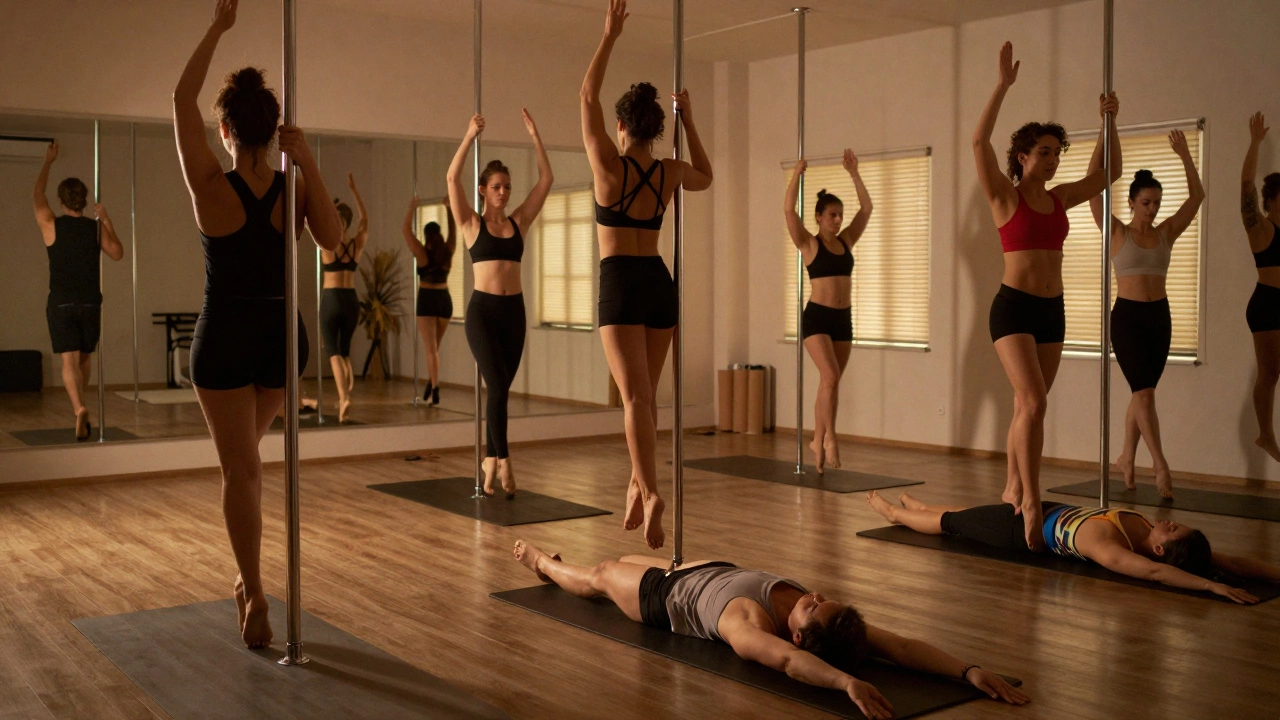
Pole fitness isn’t just about strength or spins-it’s a space where people of all shapes, sizes, genders, and backgrounds come together to move, grow, and feel powerful. But if you’re someone who shows up regularly, owns your confidence, and wants to make sure others feel safe and welcome too, being an ally matters. It’s not about saying the right thing once. It’s about showing up the same way every time, even when no one’s watching. And yes, that includes knowing when to step back, when to speak up, and how to hold space without centering yourself.
Some folks might look at pole studios and think it’s all glitz and glamour, like a luxury escort dubai experience-glamorous, performative, detached from real life. But pole fitness is the opposite. It’s raw. It’s personal. It’s about skin on metal, calluses forming, muscles burning, and fear being faced. The people who show up here aren’t there for spectacle. They’re there because they finally found a place where their body isn’t a problem to fix, but a tool to celebrate.
Understand That Not Everyone Feels Safe
Not every person walking into a studio has had positive experiences with gyms, mirrors, or even their own reflection. Some have been told they’re too heavy, too old, too queer, too disabled, or too “not enough” to belong in fitness spaces. If you’ve never had that experience, you can’t assume everyone else feels the same freedom you do. An ally doesn’t say, “It’s all good here.” An ally asks, “What do you need to feel safe?” and then listens.
That means noticing when someone hesitates before stepping onto the pole. It means not cheering too loud when someone nails a move if they look nervous. It means not taking photos without asking. It means not assuming someone’s gender, relationship status, or motivation just because of how they dress or move.
Stop Making It About You
It’s easy to fall into the trap of thinking your journey is the standard. You’ve been doing pole for three years? You’ve mastered the fireman’s spin? Great. But that doesn’t mean everyone else should be aiming for the same thing. Some people are there to build confidence. Others are healing from trauma. Some just want to sweat and laugh.
When someone says they’re happy with a basic mount, don’t say, “You should try a shoulder mount next.” Don’t offer unsolicited advice. Don’t compare their progress to yours. Your enthusiasm is great-but your agenda isn’t theirs. An ally celebrates progress on someone else’s terms, not yours.
Use Inclusive Language
Language shapes culture. Saying “girls” or “ladies” to refer to the whole class might feel harmless, but it excludes trans men, non-binary folks, and others who don’t identify with those terms. Try “everyone,” “folks,” or “team.”
Don’t assume someone’s pronouns. If you’re unsure, use “they/them” until you know. If someone shares their pronouns, use them-no exceptions. If you mess up, apologize quickly, correct yourself, and move on. No big speeches. No making it about your guilt.
And don’t comment on bodies. Not even “you’re so strong!” or “you’ve gotten so toned!” Those might sound like compliments, but they still tie worth to appearance. Instead, try: “That move looked so controlled,” or “I can tell you’ve been working on your grip.” Focus on skill, effort, and expression-not physique.
Challenge Harmful Behavior-Gently But Firmly
Allyship isn’t passive. If you hear someone making a joke about a person’s weight, or saying something like “Only girls do pole,” or commenting on someone’s outfit in a way that feels invasive, speak up. You don’t need to make a scene. A quiet, “Hey, that’s not cool,” or “Let’s keep it focused on the movement,” works wonders.
And if you’re the one who said something off? Own it. Apologize. Learn. Don’t get defensive. The goal isn’t to be perfect-it’s to be better next time.
Support Diverse Instructors and Studios
Not all pole studios are created equal. Some are led by instructors who’ve trained in marginalized communities, who understand trauma-informed teaching, or who actively create space for LGBTQIA+ folks, plus-size bodies, or older adults. Seek them out. Follow them on social media. Book classes with them. Pay them fairly. If your studio doesn’t reflect diversity, ask why-and push for change.
And if you’re an instructor yourself? Hire diverse staff. Offer sliding scale pricing. Create beginner-friendly environments. Don’t gatekeep. Pole fitness doesn’t belong to the most flexible, the most athletic, or the most Instagram-famous. It belongs to everyone who shows up.
Recognize the Intersection of Fitness and Identity
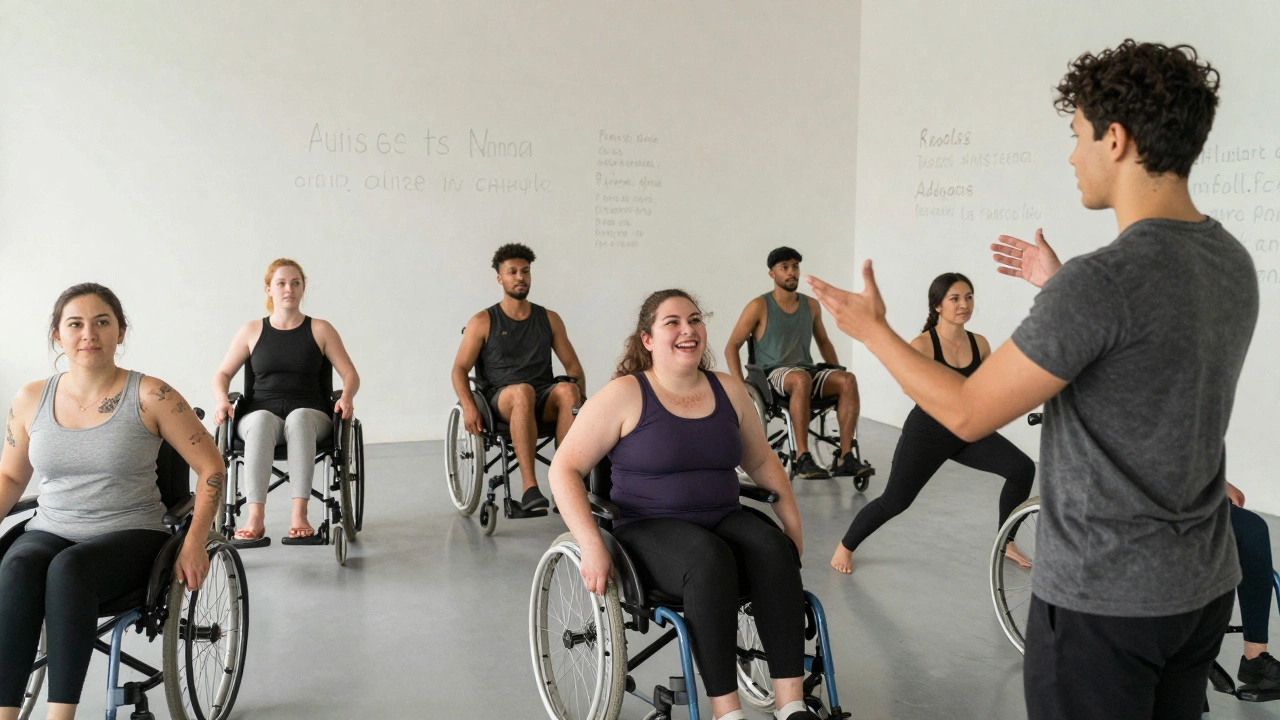
Pole fitness doesn’t exist in a vacuum. For many, it’s tied to gender expression, recovery from eating disorders, or reclaiming autonomy after abuse. A person might be there because they lost weight and want to feel strong again. Or because they’re exploring their sexuality. Or because they’re a single mom who needs to feel like she still has power.
Don’t try to fix their story. Don’t assume you know their why. Just be someone they can show up to without explaining themselves. That’s the real gift.
Be Consistent, Not Performative
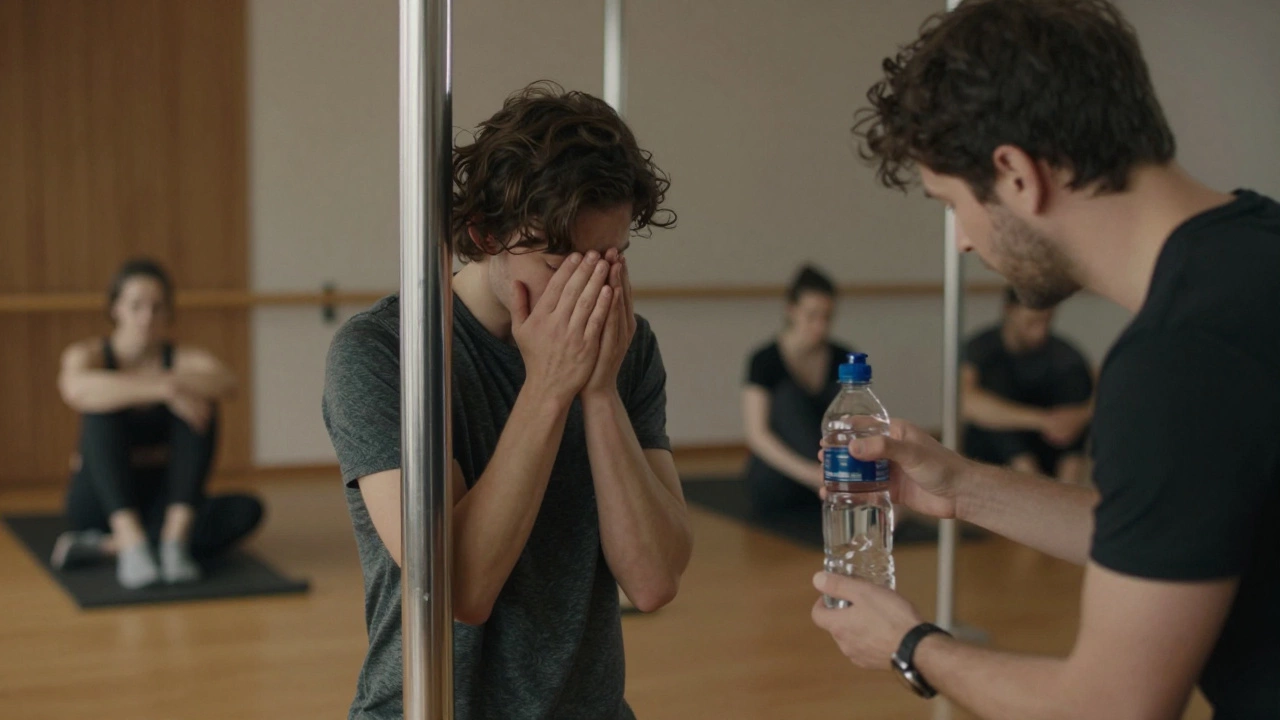
Allyship isn’t a hashtag. It’s not posting a rainbow flag once a year and calling it a day. It’s showing up on the Monday after the holiday, when the studio is quiet and no one’s filming. It’s remembering someone’s name after three weeks. It’s offering a water bottle to the person who looks tired. It’s not laughing at a joke that makes someone uncomfortable-even if everyone else is.
Real allyship is quiet. It’s invisible. It doesn’t get likes. But it changes lives.
Keep Learning
There’s no finish line here. Read books on body positivity. Follow educators who talk about inclusive fitness. Listen to podcasts by disabled pole athletes. Watch interviews with trans pole performers. Don’t wait for someone to educate you-take the initiative.
And if you’re ever unsure? Ask. Say, “I want to do better. Can you recommend something I should read?” Most people will appreciate the honesty.
There’s a quiet revolution happening in pole studios around the world. It’s not about how high someone can climb or how many spins they can do. It’s about who gets to feel safe, seen, and strong while doing it. You don’t need to be the loudest person in the room to be the most important. Sometimes, the best thing you can do is just be there-respectfully, consistently, and without conditions.
And if you ever feel like you’re doing enough? That’s probably the sign you’re not. Keep going.